


How to Buy Land in Dubai: 9 Essential Checks Before You Invest
Knowing how to buy land in Dubai involves more than finding a plot in a good location and agreeing on a price. Before you commit to a purchase, you need to confirm the ownership status, permitted land use, development potential and total cost of the project. A plot that looks suitable on paper may not allow the type of building you have in mind.
Whether you want to build a villa, develop a commercial property or invest in land for the future, this guide explains nine essential checks to complete before buying land in Dubai.
Table of Contents:
How to Buy Land in Dubai: Start with the Right Plot
Before comparing individual properties, define your objective. Are you planning to build a home, develop a project or hold land as a long-term investment? Your answer will influence the type of plot, location, budget and planning requirements you should consider.
If you are still exploring available locations and opportunities, read our guide to plots for sale in Dubai to understand the factors that influence plot selection.
You should also understand the different types of land in Dubai, including residential, commercial and industrial plots. The permitted use of a plot is one of the first details to verify before moving forward.
9 Essential Checks Before Buying Land in Dubai
1. Verify the Plot’s Ownership and Title Deed
The first step is to verify the legal details of the property. Ask for the title deed and the information needed to identify the exact plot.
Do not rely solely on a listing, brochure or seller’s description. Confirm that the ownership documents are valid and that the transaction can be registered with the Dubai Land Department (DLD).
The DLD provides an official Title Deed Verification service that buyers can use to check title deed information.
Before proceeding, confirm:
- The plot number and registered property details.
- The validity of the title deed.
- The seller’s ownership and authority to sell.
- Any registered restrictions or obligations that may affect the transaction.
- The documents required to complete the transfer.
If anything is unclear, seek independent legal advice before signing an agreement or paying a deposit.
2. Confirm the Permitted Land Use
Not every plot can be used for every type of development. A property advertised as land for sale may be designated for a particular residential, commercial, industrial or other use.
For example, a residential plot may be subject to restrictions on the type and size of the home you can build. A commercial plot may allow only specific business-related uses.
Ask the relevant authority or qualified professional to confirm the official land-use designation and any conditions attached to the plot.
Do not assume that a plot can be converted to another use simply because similar developments exist nearby. A change of use may require formal approval and may not be permitted in every case.
3. Check What You Are Allowed to Build
The plot’s size does not automatically determine the size of the building you can construct.
Planning requirements may affect:
- Permitted building height and number of floors.
- Maximum floor area or development density.
- Setbacks from plot boundaries.
- Parking and access requirements.
- Building design and other development conditions.
These requirements can influence the feasibility and cost of your project.
Before buying, request the relevant planning information and have a qualified architect or consultant assess whether your proposed development is realistic.
Dubai Municipality publishes information about building permit procedures, including procedures for residential villas, industrial buildings and multi-storey or public buildings.
4. Check the Ownership Rights Available to You
Ownership eligibility is another important part of buying land in Dubai, particularly for international buyers.
Under Dubai’s property legislation, non-UAE nationals may acquire eligible property rights in designated areas, subject to applicable laws and requirements. However, eligibility should be verified for the specific plot rather than assumed from the name of the community or area.
Before committing, confirm:
- Whether the plot is available for purchase by you or your purchasing entity.
- Whether the ownership arrangement is freehold, leasehold or another recognised right.
- The duration and conditions of any leasehold or usufruct arrangement.
- Whether the intended transaction can be registered with the DLD.
You can consult Dubai’s official legislation portal for the relevant legal framework. For a specific purchase, obtain confirmation from the appropriate authority or a qualified legal professional.
5. Assess the Location and Infrastructure
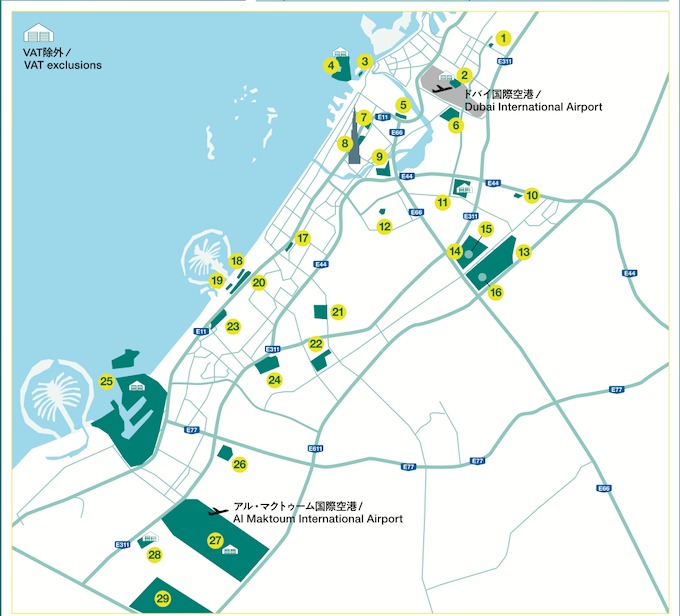
A location that looks attractive on a map may not meet the practical needs of your project.
Visit the area where possible and examine the plot’s surroundings, road access and available infrastructure. Consider whether the location suits your intended use, whether you plan to build a private villa or develop a larger property.
Important factors include:
- Road access and connectivity to major routes.
- Availability of electricity, water, drainage and other required utilities.
- Existing and planned surrounding developments.
- Access to services and facilities relevant to the intended use.
- Any site-specific access or infrastructure limitations.
If the plot is in a developing area, verify which infrastructure is already available and which services may depend on future works. Do not assume that planned facilities will be completed by a particular date unless you have reliable confirmation.
6. Calculate the Total Cost, Not Just the Land Price
The asking price is only one part of the cost of buying and developing land.
Depending on the transaction and project, you may need to account for:
- The purchase price.
- Applicable transfer and registration fees.
- Agency or professional fees, where applicable.
- Legal and technical due diligence.
- Planning, design and permit-related costs.
- Utility connections and site preparation.
- Construction costs and a contingency budget.
The exact expenses will vary according to the property, transaction structure and intended development.
Before making an offer, prepare a realistic budget that covers both the acquisition and the next stages of your project. This will help you avoid committing to a plot that leaves insufficient funds for development.
7. Compare the Asking Price with the Plot’s Value
A low asking price does not necessarily mean that a plot represents good value. Differences in permitted use, development potential, access, infrastructure and ownership conditions can affect how plots should be compared.
When evaluating land, consider:
- The price per square metre or square foot.
- The plot’s permitted use and development potential.
- Comparable plots with similar characteristics.
- The condition of the surrounding area and infrastructure.
- Any restrictions that could affect future use or resale.
Use comparable properties carefully. Asking prices in online listings are not necessarily the same as completed transaction prices, and properties that appear similar may have different planning or ownership conditions.
For additional support, the Dubai Land Department’s Property Valuation service covers various property types, including vacant residential, commercial and industrial land.
For a major purchase, consider obtaining an independent valuation from a suitably qualified professional.
8. Review the Sale Agreement Before Paying a Deposit
Before signing a sale agreement or making a substantial payment, make sure you understand the transaction terms.
The agreement should accurately identify the property and set out the relevant payment terms, completion arrangements and obligations of the parties. It should also address any conditions that must be satisfied before completion, where applicable.
Ask a qualified legal professional to review the agreement, especially if the transaction involves an unusual ownership arrangement, a development project or conditions that are not clear.
Do not rely on verbal promises about future development, changes in land use, infrastructure completion or resale value unless they are properly documented and legally supportable.
The correct transaction and registration procedures depend on the type of property and sale. Confirm the applicable process with the DLD or a qualified property professional before proceeding.
9. Complete Due Diligence Before Finalising the Purchase
Due diligence means checking the information that could affect your decision before you commit to the transaction.
Depending on the plot and your intended project, this may involve legal, planning, technical and financial reviews.
Before completing the purchase, make sure you have addressed the following questions:
- Is the plot’s ownership status verified?
- Is the intended use permitted?
- Have the relevant planning and building restrictions been confirmed?
- Is the site suitable for the proposed development?
- Are access and utility requirements understood?
- Have the total acquisition and development costs been estimated?
- Have relevant restrictions, obligations and transaction conditions been reviewed?
For a development project, a technical assessment may also be necessary to understand site conditions and construction requirements.
If important information remains unverified, do not treat the seller’s assurances as a substitute for independent checks. Resolve outstanding issues before proceeding wherever possible.
Common Mistakes to Avoid When Buying Land in Dubai
Even experienced buyers can overlook important details when they focus too heavily on price or location.
Choosing a Plot Before Defining the Project
Start with your intended use, budget and development requirements. Then identify plots that meet those criteria.
Assuming Every Plot Allows Construction
The availability of vacant land does not guarantee that your preferred building can be approved. Verify the permitted use and planning conditions first.
Relying Only on Listing Information
Listings are useful for discovering opportunities, but ownership, land use, development potential and other important details should be independently verified.
Underestimating Development Costs
A purchase budget should include more than the land price. Account for professional services, approvals, infrastructure and construction where relevant.
Assuming Future Growth Guarantees a Profit
An area may have development plans or attract investor interest, but neither guarantees that land prices will rise. Evaluate the investment using realistic assumptions and your own financial objectives.
Is Buying Land in Dubai a Good Investment?
Buying land in Dubai may suit investors and developers who understand the property’s permitted use, development potential, costs and holding period. However, the suitability of an investment depends on the individual plot and the buyer’s objectives.
Before investing, consider how long you can hold the land, whether you intend to develop it, the costs you may incur while holding it and the potential difficulty of reselling it.
Compare similar plots, verify the legal and planning details and avoid relying on promised returns or assumptions about future price increases.
The best investment is not necessarily the cheapest plot. It is a property whose verified characteristics, costs and risks align with your investment strategy.
Frequently Asked Questions About Buying Land in Dubai
Can foreigners buy land in Dubai?
Non-UAE nationals may acquire eligible property rights in designated areas, subject to applicable legislation and registration requirements. Confirm the ownership rights available for the specific plot before proceeding.
What should I check first when buying land in Dubai?
Start by verifying the plot’s ownership details and permitted land use. Then assess what you can build, the applicable planning requirements, the total costs and the transaction conditions.
Can I build a villa on any residential plot?
No. The plot must permit the intended residential development, and the proposed building must comply with applicable planning and building requirements. Confirm the rules for the specific plot before purchasing it.
How can I verify a plot’s title deed?
The Dubai Land Department provides an official Title Deed Verification service. Use the available official verification process and seek professional assistance if the documents or results are unclear.
Should I compare land prices before buying?
Yes. Compare plots with similar permitted uses, sizes, locations and development potential. Remember that asking prices may differ from completed transaction prices and that restrictions can affect a plot’s value.
Is the cheapest plot always the best option?
No. A lower price may reflect differences in location, infrastructure, permitted use, development restrictions or other factors. Evaluate the total cost and suitability of the plot rather than price alone.
Final Thoughts: Make an Informed Land Purchase in Dubai
Understanding how to buy land in Dubai starts with verifying ownership, permitted use, development requirements and the total cost of the project. Before purchasing a plot, review its legal and planning status, compare its value with similar properties and complete the necessary due diligence. Taking these steps can help you make a more informed decision and choose land that matches your development plans, budget and investment goals.


